
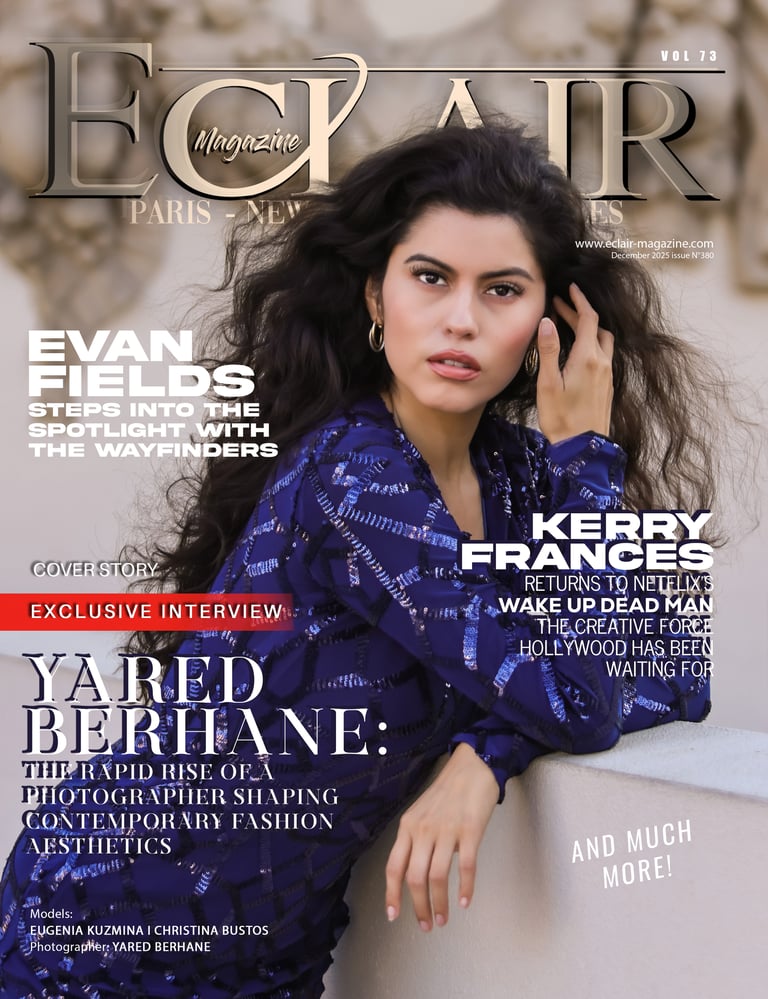
EXCLUSIVE INTERVIEW
Yared Berhane:
The Rapid Rise of a Photographer Shaping Contemporary Fashion Aesthetics
Conducted by Guillaume Jean Lefebvre
1. Yared Berhane, since your first feature in Éclair Magazine, what has been the most meaningful change in your artistic journey?
Absolutely! Since my first feature in Éclair Magazine, one of the most meaningful shifts in my artistic journey has been the incredible connections it opened up.
Over the last few years, I’ve had the opportunity to photograph multiple seasons of NYFW and LAFW, receive an invitation to shoot Fashion Couture New York, and be honored as Best Independent Photographer by the prestigious HAPA Awards. These experiences have pushed my craft forward and opened doors to collaborations I once only imagined.
Recently, I’ve been working closely with top luxury fashion brands and designers to create themed, high-concept photography. A major highlight has been collaborating with the incredible Melissa Pellone — a renowned Los Angeles designer and 19x Official Fashion Week & International Designer of Pellone Designer Top Collection — just before her travels to Paris Fashion Week.
Following that, I continued building momentum with luxury fashion brand Rubber Ducky Couture, whose bold, elevated aesthetic has allowed me to expand my editorial and commercial storytelling even further.
Working with creatives and brands of this caliber has pushed me to explore bolder concepts, refine my visual storytelling, and step even more confidently into the world of high-fashion imagery. It’s a reminder that every achievement isn’t just a milestone — it’s a door to the next big adventure.
2. What new personal or professional projects have shaped your approach to photography in recent years?
Honestly, the projects that have shaped me the most in recent years are the ones that pushed me out of my comfort zone both personally and professionally.
I’ve taken on more editorial fashion collaborations, including working with designers like Melissa Pellone, which helped me refine my storytelling and elevate the artistic direction behind each shoot. Those experiences taught me how to merge high-fashion concepts with my own visual identity.
On the personal side, I started investing time in painting and abstract art again. That creative outlet has completely shifted how I approach color, texture, and emotion in my photography.
It made me more intentional with lighting, composition, and the way I build mood in my images.
Together, these projects expanded not just my technical skills, but also my perspective as an artist. They helped me create work that feels more expressive, detailed, and true to my voice.
3. Has your visual style evolved since we last spoke? Are there elements you find yourself exploring more deeply now?
My visual style has definitely evolved since we last spoke. Lately, I’ve been leaning deeper into an editorial approach: cleaner compositions, bolder lighting choices, and more intentional shaping of shadows to create depth and drama. I’m exploring the balance between simplicity and impact, letting one strong element — whether it’s a pose, a texture, or a subtle expression — carry the story of the frame.
I’ve also been experimenting more with cinematic tones and movement, pushing beyond static beauty shots into images that feel alive and curated for a magazine spread.
Whether I’m in the studio or on location, I’m focusing on creating visuals that feel refined, elevated, and fashion-driven.
In short, I’m embracing a more sculpted, editorial aesthetic where every detail is purposeful and the storytelling sits right under the surface.
Since his first feature in Éclair Magazine, Yared Berhane’s journey has transformed into a remarkable ascent, positioning him today among the most compelling talents in the international fashion scene. In just a few years, the photographer has multiplied prestigious collaborations, refined his editorial signature, and established himself as a creator of images with undeniable influence.
Across New York and Los Angeles, he has photographed multiple seasons of major Fashion Weeks, received an invitation to shoot Fashion Couture New York, and earned the title of Best Independent Photographer from the HAPA Awards — a recognition that marked a turning point in his career.
This momentum led him to collaborate with high-level designers and luxury brands, including Melissa Pellone — a prominent figure in international Fashion Weeks — and Rubber Ducky Couture, known for its bold and elevated aesthetic. These partnerships have allowed him to dive deeper into conceptual storytelling, develop thematic universes, and strengthen his mastery of visual narrative.
His style, more defined than ever, now leans toward a sculpted, editorial aesthetic: clean compositions, dramatic lighting, cinematic movement, and meticulously intentional detail. This evolution is fueled not only by his immersion in painting and abstract art — which he recently reintegrated into his creative process — but also by influences ranging from classic portrait masters to minimalist movements and painterly uses of color and contrast.
Attentive, thoughtful, and deeply guided by human connection, Yared explains that intimate encounters, quiet pauses between poses, and spontaneous conversations have reshaped the way he photographs. His lens now seeks truth, vulnerability, and the unique energy each person brings.
At the same time, the artist fully embraces the evolving creative landscape — from technology and new editing workflows to storytelling on social platforms and audience expectations rooted in authenticity. He adapts his practice without compromising his identity.
Today, Yared Berhane enters a new chapter marked by ambitious goals: producing more high-level fashion editorials, leading full-scale commercial campaigns, and, in the long term, curating an immersive exhibition where his universe can be experienced in its fullest form.
A chapter he sums up in one phrase: “Stepping Into My Vision.”
A statement that reads like a promise — the promise of an artist stepping fully into the power of his own perspective.
INTERVIEW
4. Looking back at the early stages of your career, what surprises you the most about the artist — and the person — you’ve become today?
Looking back at the early stages of my career, what surprises me most is how much I’ve grown into both my vision and my voice. When I started, I was focused on simply creating beautiful images.
Now, I understand how to shape a narrative, command a set, collaborate with designers, models, and creative teams, and translate emotion into something visually powerful.
What surprises me on the personal side is the confidence and clarity I’ve developed. I used to second-guess my instincts; now I trust them.
I’ve learned to embrace experimentation, to push boundaries, and to stand firm in the kind of work I want to create. The artist I’ve become today has a much sharper eye, a stronger sense of direction, and a deeper appreciation for the craft.
And the person I’ve become is equally important: patient, resilient, and continuously inspired. I never expected that this journey would shape me not just as a photographer, but as a storyteller and a creative leader.
5. Photography feeds on human experiences. What recent moments or encounters have influenced the way you observe and portray your subjects?
Recently, it’s been the small, unplanned moments that have influenced me the most — conversations with people who open up in front of the lens, the quiet pauses between shots, and the raw honesty that comes when someone forgets the camera is even there.
I’ve had a few recent sessions where subjects shared personal stories — victories, struggles, and everything in between. Hearing those experiences reminded me that every portrait is more than a pose; it’s a collaboration built on trust. Those interactions have pushed me to observe more gently and to photograph with more intention, focusing on authenticity over perfection.
It’s made me more attentive to who people are beneath the surface — their energy, their rhythm, their truth — and that shift has shaped the way I portray them in my work.
6. Have you discovered new artistic influences — photographers, painters, or movements — that have enriched your creative practice since the previous interview?
Over the last year, I’ve found myself drawn to a blend of influences that have quietly reshaped my creative approach. I’ve revisited classic portrait photographers who master light and emotion, and fashion designers, but I’ve also been inspired by painters — especially those who use color and contrast to guide the viewer’s eye with intention. Their ability to create mood through subtle tonal choices has influenced how I shape my lighting and color grading.
I’ve also been exploring more contemporary visual movements rooted in minimalism and cinematic storytelling. They’ve pushed me to simplify my frames, focus more on emotion, and let negative space speak.
All these influences — from timeless portraiture to painterly color theory to modern cinematic tones — have enriched how I build atmosphere in my work and how I approach each subject with a deeper visual sensitivity.
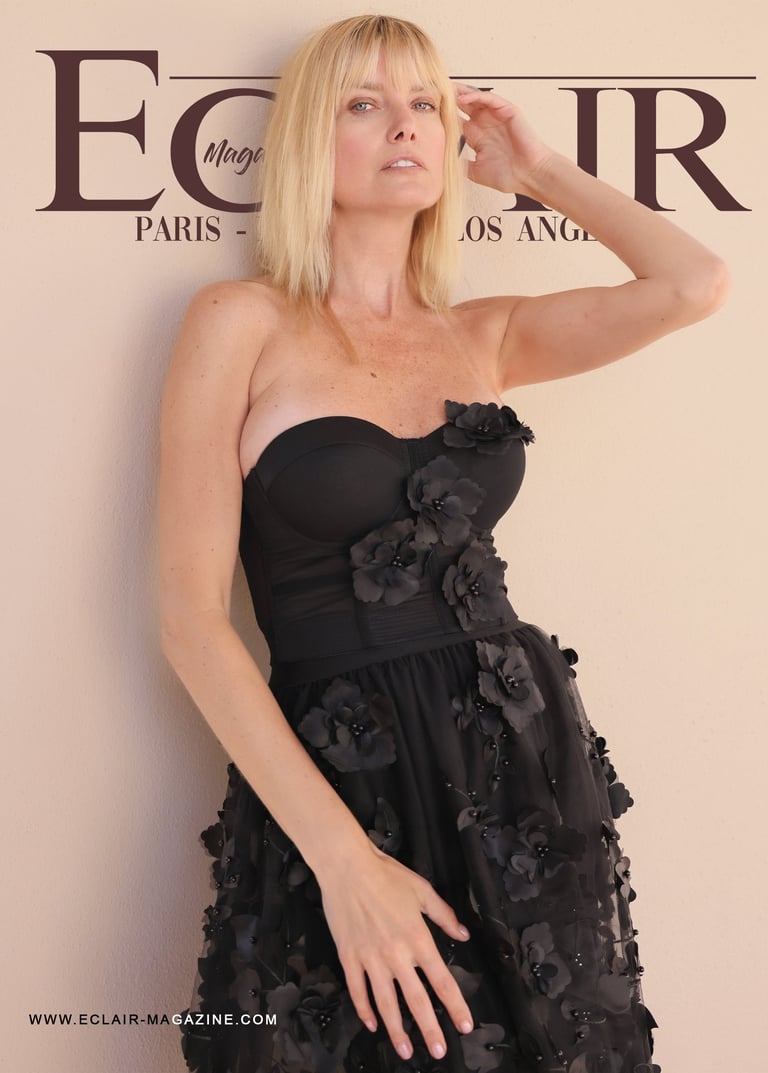
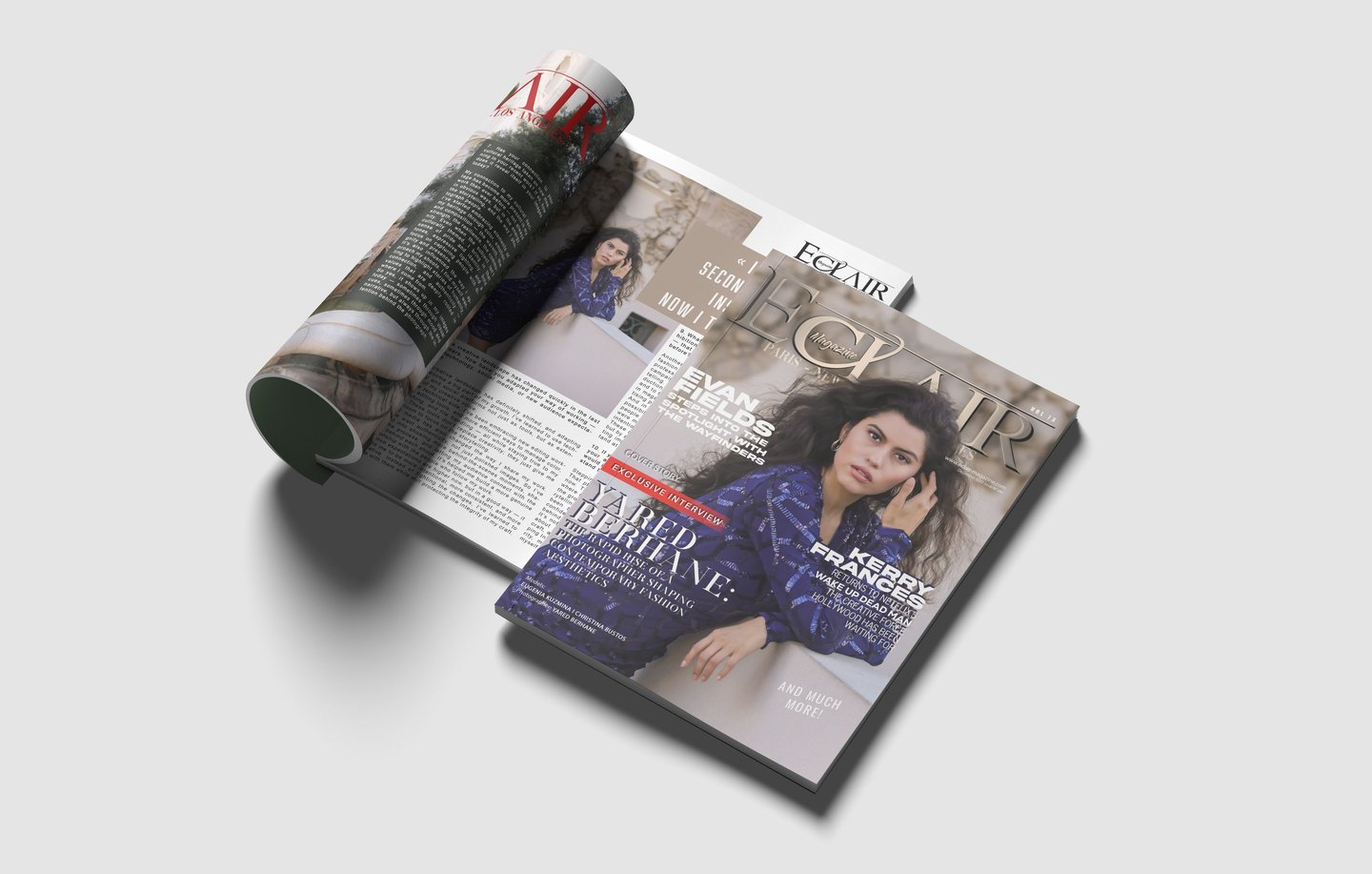
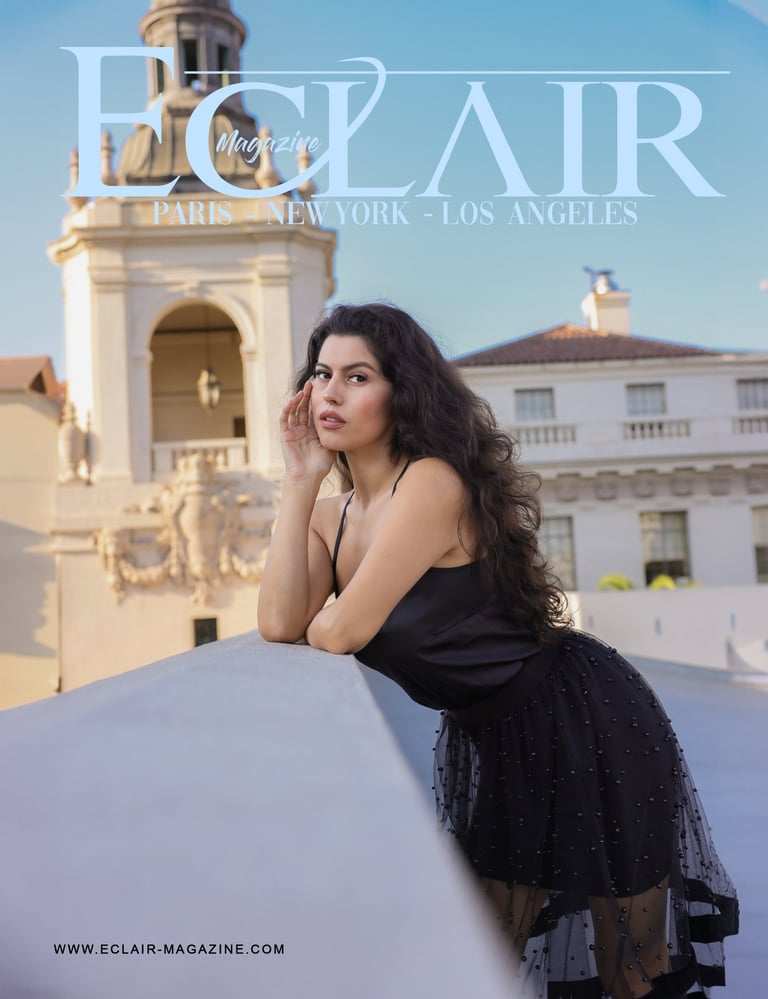
Photographer: Yared Berhane - @berhanwediiriephotography
Designer: Melissa Pellone I Pellone Designer Collection - @pellonedesignercollection I @melissapellone
Models: Supermodel I Eugenia Kuzmina - @eugeniakuzmina
Christina Bustos - @christinabustos
7. Has your connection to your cultural heritage taken on new meaning in your recent work? If so, how does it reveal itself in your images today?
My connection to my cultural heritage has become more present in my work than ever before — not always in obvious ways, but in the energy, the storytelling, and the way I photograph people.
I’ve started embracing elements of my heritage through color, emotion, and composition — the warmth, the strength, the resilience, the community. Even when the subject isn’t culturally themed, I bring in that sense of pride and identity: bold tones, expressive lighting, and a focus on capturing people with dignity and presence.
It’s also influenced the way I approach my shoots. I find myself wanting to highlight stories of humanity, connection, and authenticity — values that are deeply rooted in where I come from.
So yes, it shows up in my images today — sometimes through visual cues, sometimes through mood and narrative, but always through the intention behind the photograph.
8. The creative landscape has changed quickly in the last few years. How have you adapted your way of working — with technology, social media, or new audience expectations?
The creative landscape has definitely shifted, and adapting has become a big part of my growth. I’ve learned to use technology and social platforms not just as tools, but as extensions of my creative voice.
On the technical side, I’ve been embracing new editing workflows, editing tools, and more efficient ways to manage color, retouching, and file handling — all while staying true to my style. These tools don’t replace creativity; they just give me more room to focus on the storytelling.
Social media has also changed the way I share my work. People want authenticity, not just polished images. So I’ve leaned into showing more behind-the-scenes moments, sharing the process, and letting my audience connect with the “why” behind each shoot. It’s helped me build a more genuine relationship with the people who follow my work.
Audience expectations are higher now, but in a good way — it pushes me to be more intentional, more consistent, and more innovative. Instead of fighting the changes, I’ve learned to evolve with them while still protecting the integrity of my craft.
9. What ambitions are guiding you now — exhibitions, collaborations, personal projects — that you may not have imagined pursuing before?
Another big ambition for me now is working with fashion designers on a higher level — creating professional fashion editorials and commercial campaigns that blend artistry with brand storytelling. I’m pushing myself to elevate the production value, the direction, the visual style, and to step into spaces where my work can live in magazines, lookbooks, and full-scale advertising projects.
And in the long term, I’m moving toward the possibility of an exhibition — a space where people can experience my images the way they were meant to be seen: large, immersive, and intentional.
These ambitions are driven not just by growth, but by a desire to create work that leaves a lasting impact — something I didn’t fully understand at the beginning of my journey.
10. If you had to describe this new chapter of your artistic life in a single phrase, what would it be, and why does it reflect where you stand today?
Stepping Into My Vision
That phrase reflects exactly where I am right now. This new chapter feels like the moment where everything I’ve learned — the mistakes, the growth, the evolving style, the deeper storytelling — finally aligns with the artist I’ve been becoming. I’m more intentional, more confident, and more connected to the meaning behind my work.
It’s not just about taking photos anymore; it’s about owning my perspective, elevating my craft, and creating images with purpose. “Stepping Into My Vision” captures that sense of clarity, momentum, and commitment to pushing myself into higher creative spaces.
Quality, not quantity
We have made quality our habit. It’s not something that we just strive for – we live by this principle every day.